The Surprising Link Between Breathing and Presence
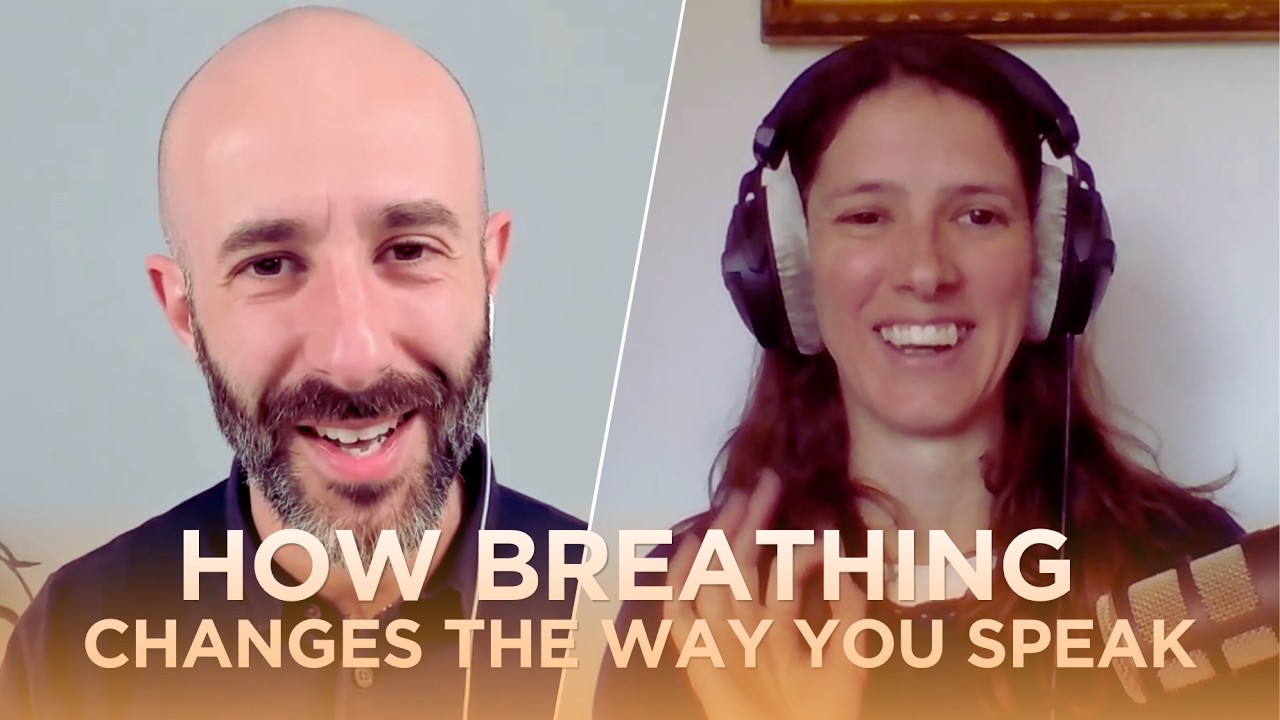
In this episode, breathing educator Jane Tarrant explains how breathing habits affect confidence, voice, posture, anxiety and presence when speaking in high-pressure business situations. We explore diaphragmatic breathing, the “D-spot,” storytelling, and practical ways to feel calmer and more connected when presenting.
Breathing affects far more than most business leaders realise.
It shapes how your voice sounds in a meeting. It affects how calm you feel before a presentation. It influences your posture, your pacing, and how connected you feel to the people listening to you.
In a recent Ideas on Stage Podcast episode, breathing educator Jane Tarrant shared practical insights on how breathing habits influence communication, especially in high-pressure situations.
One of the key points from the conversation was simple: most people never question the way they breathe.
As Jane explained, many professionals normalise habits such as mouth breathing, shallow chest breathing or feeling breathless under pressure. These habits affect the way you come across when communicating.
Why Breathing Matters When Speaking
Many speakers breathe from the upper chest when they present. This often weakens their vocal presence.
When breathing stays high in the chest:
- The voice can sound tighter and less grounded
- Anxiety increases more easily
- Speakers rush their words
- The body struggles to settle under pressure
Jane described how people often feel “stuck in their head” when this happens. They focus on getting through the presentation instead of connecting with the audience.
She contrasted this with diaphragmatic breathing, which supports a steadier and more controlled voice.
Belly Breathing vs Diaphragm Breathing
One of the most interesting parts of the conversation focused on a common misunderstanding around breathing.
Many people have heard the advice to “breathe from the belly.” Jane explained that this can create confusion.
She described how belly breathing often leads people to push their stomach outward in a way that reduces control. Instead, she encourages people to focus on what she calls the “D-spot” – the soft area at the very top of the belly, just below the split of the ribs, where you should feel movement when you breathe.
When speakers learn to breathe from this area:
- Their voice gains more stability
- They manage airflow more effectively
- They feel calmer during presentations
- Their delivery becomes less rushed
For leaders who speak in client meetings, pitches, workshops or conferences, this control can make a major difference.
The Link Between Breathing and Anxiety
Another important theme in the episode was anxiety.
Jane explained that many people only think about breathing a few seconds before they present. They look for a quick breathing technique to calm themselves down.
Her perspective was broader.
She argued that breathing habits throughout the day matter far more than a last-minute exercise before stepping on stage.
Posture Changes the Way You Breathe
The episode also explored the connection between posture and breathing.
According to Jane, posture affects how freely the diaphragm can move.
She described common patterns she sees in professionals:
- Rounded shoulders
- Tight upper chest
- Forward head posture
These positions restrict breathing and increase tension.
She encouraged listeners to think about posture not as a “presentation technique”, but as a physical condition that influences breathing all day long.
For speakers, posture affects:
- Vocal projection
- Presence
- Energy levels
- Breathing efficiency
- Connection with the audience
Storytelling Helps You Connect to Your Body
One of the more surprising ideas from the conversation was the connection between storytelling and breathing.
Jane explained that stories help speakers reconnect with emotion and physical presence.
When people speak only from facts and data, they often remain in their head. Stories change that dynamic. They create emotional connection for both the speaker and the audience.
This changes everything.
Even simple personal moments can help:
- A small observation
- A brief memory
- A relatable experience
For leaders, this reinforces an important communication principle: audiences respond to connection, not just information.
The Habit Jane Would Start With
Towards the end of the conversation, I asked Jane which habit she would recommend if someone only focused on one thing.
Her answer: tongue position.
Jane explained how placing the tongue on the roof of the mouth encourages nasal breathing and helps keep the airway open.
This supports improved calmness and better breathing efficiency.
She described this as one of the simplest changes people can begin with.
Final Thought
At the end of the episode, Jane shared one message she hopes people remember:
“How we breathe matters.”
For business leaders, this idea goes far beyond health or wellness.
The way you breathe affects how you think, how you recover under pressure, and how you communicate when the stakes are high.
And in moments that matter – client presentations, difficult conversations, leadership updates, pitches – those small physical habits shape how people experience you.
Watch the full interview with Jane Tarrant to explore how to use better breathing to communicate more effectively in high-pressure situations.