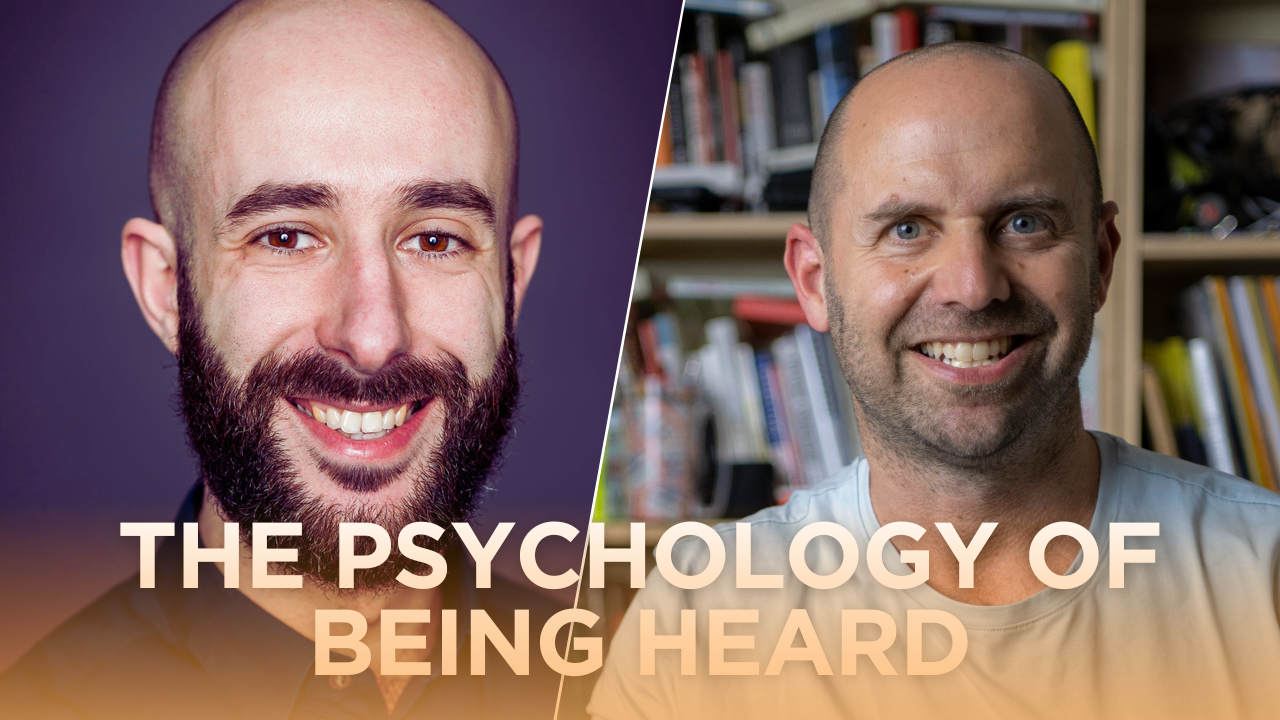
In this episode, psychologist and author Todd Kashdan shares research-backed insights on how to be heard when challenging ideas, managing fear and building genuine connection. He explains how curiosity, emotional awareness and small communication shifts can help leaders and speakers influence with confidence.
Why do some people speak up and spark change, while others stay silent even when they see a better way forward? In this episode of the Ideas on Stage Podcast, psychologist and author Todd Kashdan shares insights from his research on curiosity, courage and the emotions that shape how we communicate.
Todd explains that when we challenge ideas or question the status quo, three quick questions often guide our decision to speak or stay quiet:
Do I think I’m the smartest person in the room?
Is it worth being criticised for what I’m about to say?
Do I want this to be a high- or low-maintenance interaction?
These questions happen in a split second. Recognising them helps leaders and speakers respond with awareness instead of silence.
He also introduces the “discomfort caveat” – a simple way to lower defensiveness before sharing a difficult message. By naming your emotions upfront (“I’m anxious saying this, but I care too much not to”), you show vulnerability and open space for honest dialogue.
Curiosity, Todd says, is another key to influence. Instead of asking “Why are we doing this?” – which can sound judgmental – try “How would this work five years from now?” This kind of question invites reflection instead of resistance and keeps the conversation open.
When we talk about emotions in communication, Todd challenges the idea that fear should be eliminated. Negative emotions have value. For example, fear before a presentation shows that we care about the outcome. The goal is not to remove these feelings but to use them as information and energy. One practical strategy he suggests for managing nerves is to memorise the first two lines of your talk. Once those are delivered, confidence follows.
Todd also reminds us that connection comes from understanding what the audience values. Before a presentation or meeting, talk to a few people in the room. Learn what concerns them, what they hope to achieve, and use their names when you speak. Small gestures of recognition create trust and attention.
Courage, curiosity and empathy are learned skills. They help us question wisely, listen deeply and speak in ways that others can hear.

Want to learn more?
- Read Confident Presenter – free copy and Business Presentation Revolution
- To make the most of the book, take the Confident Presenter Scorecard to assess your presentation skills in less than 3 minutes
- Attend our free, live masterclass on all things presentation skills