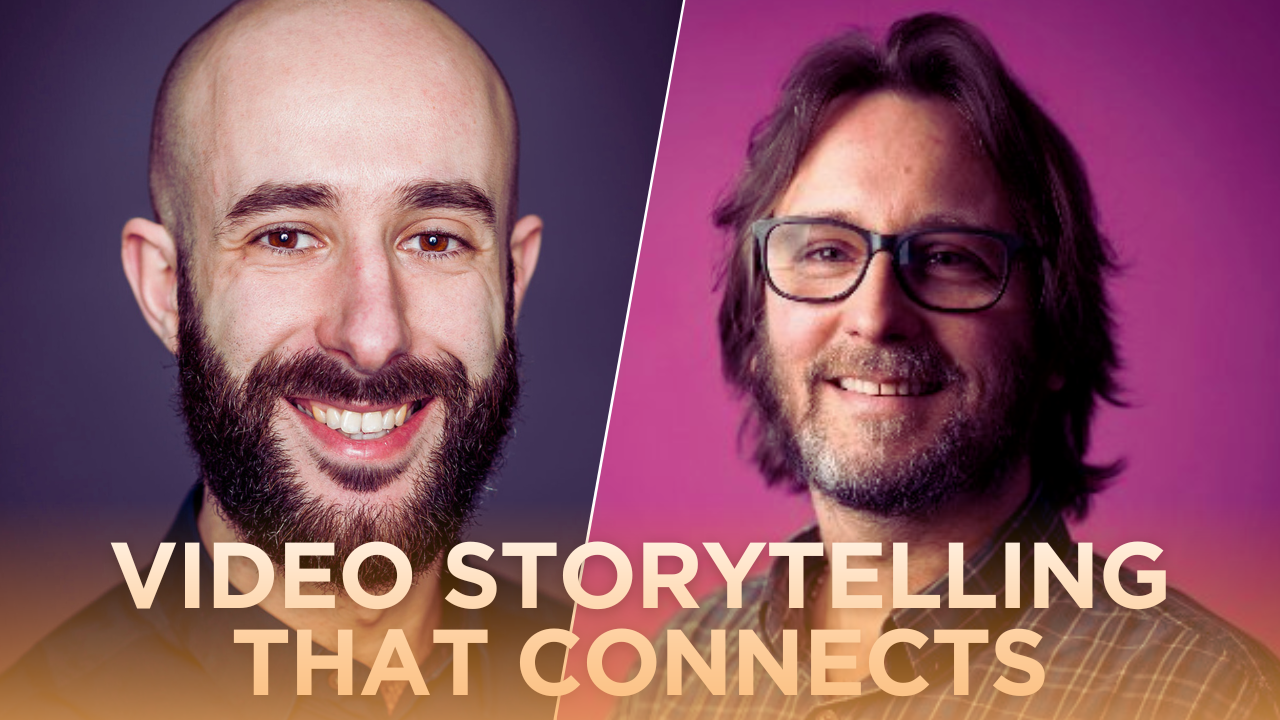
In this episode of the Ideas on Stage Podcast, Ravinol Chambers, founder of Be Inspired Films, shares practical insights on video storytelling. We discuss how speakers can prepare to be filmed on stage, how to look and sound confident on camera, and how organisations can tell stories that connect with people.
Video has become one of the most powerful ways to communicate ideas. In a recent conversation on the Ideas on Stage Podcast, Ravinol Chambers, founder of Be Inspired Films, shared his experience of helping speakers and organisations use video to move people and create impact.
Preparing to Be Filmed on Stage
Many speakers get filmed at conferences, but the results often fail to capture the energy in the room. Ravinol explained that the key is preparation. If a speaker knows there will be a moment in their talk that matters – an audience interaction, a gesture, a story – the video team needs to know in advance. Bringing the crew into the rehearsal gives them the chance to capture those moments, rather than leaving it to chance.
Speaking to Camera With Confidence
For people recording videos at home, the basics matter most: clear sound, good lighting and simple framing. Expensive equipment is not required.
Ravinol’s advice is to keep filming, even when nerves appear. With practice, speaking to camera becomes easier. He also shared broadcaster Terry Wogan’s principle of imagining “an audience of one.” Instead of talking to thousands, speak as if you are speaking to a single person – it helps the message feel personal and real.
Adding Energy Without Losing Authenticity
One challenge many people face is how much energy to show on camera. Ravinol suggested starting natural and then adding “a bit extra.” What feels exaggerated in the moment often looks engaging and enthusiastic on screen. Without that lift in energy, the result can appear flat.
Rethinking Organisational Storytelling
When organisations tell stories, they often put themselves at the centre. Ravinol argued for a different approach: let the stories of staff, customers, partners or beneficiaries take the lead. He compared it to a postman delivering a letter. The focus is on the message, not the messenger. In the same way, organisations should deliver stories that reflect their impact without making themselves the hero.
Building Stories With Two Tracks
Ravinol described video storytelling as two tracks running side by side: what we hear and what we see. The first step is to shape the narrative. Only then should visuals be added – a mix of footage, B-roll, photos or graphics. This separation ensures the story is clear before visuals come into play.
The Craft of Simplicity
Ravinol also spoke about the work behind short videos. A two-minute video may seem easier than a six-minute one, but often it takes more effort. To make a short video powerful, the message must be refined and structured with care. That discipline is what makes a story land.
To hear the full conversation with Ravinol Chambers and explore these ideas in depth, watch this episode of the Ideas on Stage Podcast.

Want to learn more?
- Read Confident Presenter – free copy and Business Presentation Revolution
- To make the most of the book, take the Confident Presenter Scorecard to assess your presentation skills in less than 3 minutes
- Attend our free, live masterclass on all things presentation skills